





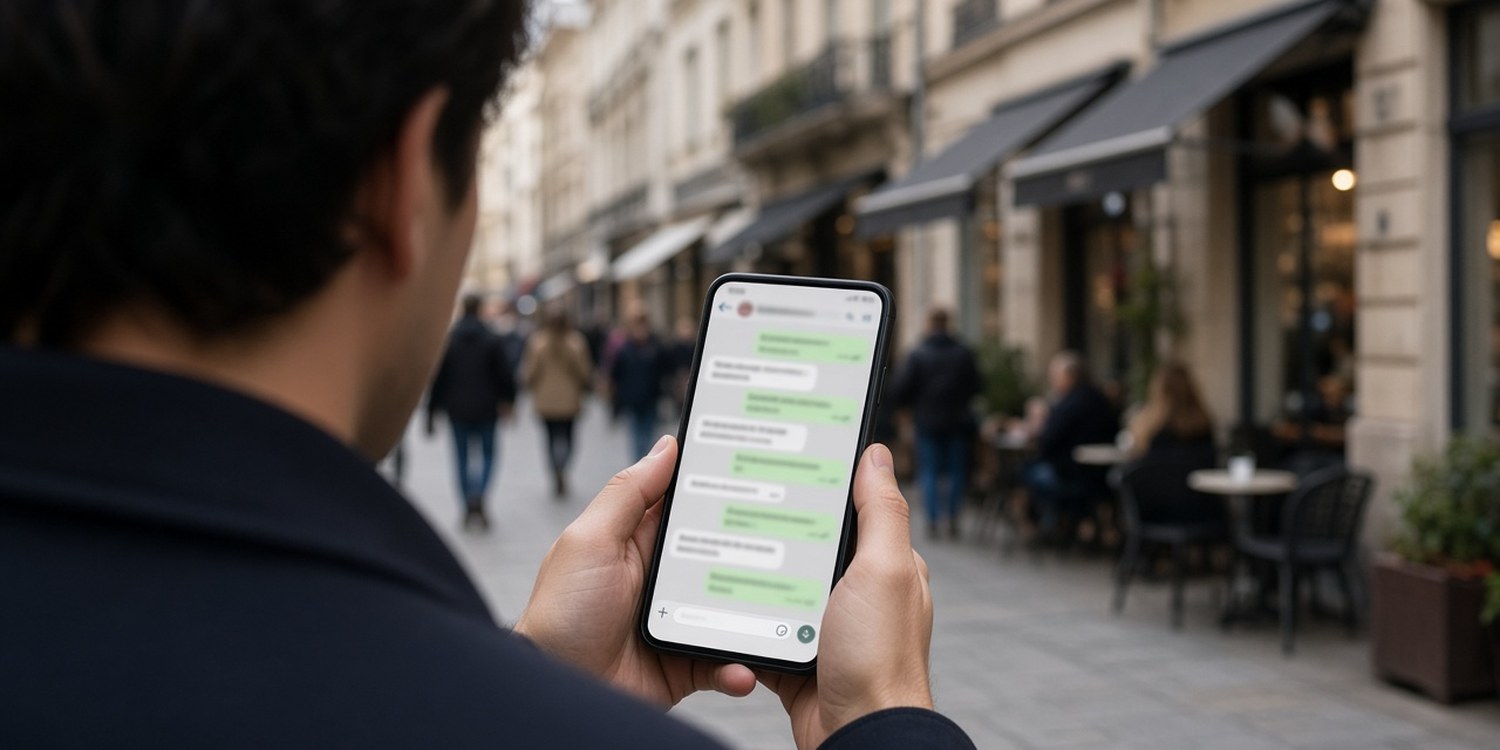
You need eight volunteers for Saturday. You post in the group: "Who can help?" Then the replies start coming in.
"I can!" "Me too." "Maybe, let me check." A thumbs-up. A question about parking. Someone answers an hour later, after you have already counted. By the evening you have a thread of sixty messages and no clear idea who is actually coming.
An open call is a good idea. Asking a wider group and letting people step forward works well for cleanups, one-off events and extra hands. The trouble is not the idea. It is where the answers land.
Key takeaways
- An open call works because people choose to take part. A group chat makes it hard to see who chose.
- The same chat that carries the question buries the answers, and the count lives in your head.
- Spots fill unevenly: too many yes answers, or too few, and you only know at the end.
- Telling someone "sorry, we are full" is awkward when it happens in front of everyone.
Why open calls are attractive
When a role does not need a specific person, an open call is often the natural choice.
- It reaches more people. You are not guessing who is free.
- People self-select. Volunteers who say yes want to be there.
- It spreads the ask. You are not leaning on the same reliable few.
- It suits one-off events. A cleanup or a special day does not need a long schedule.
If you have read our comparison of open call and direct assignment, you know where it fits. This article is about what happens after you press send.
What happens in a group chat
A group chat is built for conversation, not for counting. So the open call turns into several small problems.
The answers get buried
Your question is at the top. By the time ten people have replied and three have asked unrelated things, it is far up the thread. People who join the conversation late have to scroll to understand what is being asked.
The count lives in your head
You tally the yes answers as they arrive. You lose track at message forty. You scroll back, recount and wonder whether "I think I can" counts.
Replies are not answers
Many answers are conditional.
- "Probably."
- "I will confirm tomorrow."
- A reaction emoji with no words.
- "Count me in if it is after 10."
Each one is a decision you now have to interpret.
Overfilling and underfilling
You wanted eight. Eleven said yes quickly, and you now have to choose. Or three said yes and everyone else is silent. Either way, you only see the shape of the situation once the replies stop coming.
The awkward "sorry, we are full"
If you stop accepting, someone has to tell the late replies. In a group chat that happens in public. The people who answered a little too late feel passed over, even though they did nothing wrong.
The silent ones
In a group of forty, you cannot tell who has not seen the message and who has decided to ignore it. Reminding "everyone" annoys those who already replied. Reminding "the others" means working out who they are.
An open call in a chat, hour by hour
It often goes like this.
- Hour one: you post the request. Four people answer quickly. You feel good.
- Hour three: the thread has moved on to something else. The request is no longer visible.
- Evening: two more replies arrive, one of them a "maybe". You are not sure whether you have five or seven.
- Next morning: you post a reminder to everybody. The people who already said yes reply "I am already in", which buries things further.
- Two days before: you still do not have a reliable list. You start messaging people one by one.
By then the open call has become a series of direct requests, which is the work you were trying to avoid.
What it costs
None of this is a disaster in a single week. Over a season, it adds up.
- Time. Counting, interpreting, reminding and sorting out the final list.
- Goodwill. Volunteers who were turned down in public may not step forward next time.
- Missing people on the day. A "maybe" in the chat becomes an empty spot on Saturday.
- A chat that nobody reads. After enough noisy open calls, people mute the group. Then your next request is easier to miss.
What a better open call looks like
If you strip the problem down, an open call needs five things.
- A clear ask: what, when and where.
- A simple answer: yes or no, without typing.
- A count that updates itself.
- A way to stop when the spots are filled, without public awkwardness.
- A way to reach only the people who have not replied.
A group chat does none of these natively. It was not designed to.
How Planify handles open calls
Planify's Open Call event type is built around those five needs, and it runs on WhatsApp, so volunteers do not install anything.
- You choose who is asked. The audience is made of departments or of positions, and only active members receive the invitation.
- A private invitation. Each volunteer gets their own message with the event, the date and the time, not a line in a crowded thread.
- Yes or no with a button. The answer is recorded for that person, and they get a short acknowledgement.
- Optional minimum and maximum. You can set how many volunteers you need. When the maximum is reached, the call closes.
- A calm "we are full". A volunteer who answers after it fills receives a message saying the spots are taken, privately.
- No double-counting. Your list shows who accepted, so there is nothing to tally yourself.
- A reminder only for the silent. A nudge goes to the members who have not answered.
- Unavailability respected. Members with an unavailable period recorded for that date are not invited, and an acceptance from one of them is treated as a decline.
- A list you can take with you. You can export the responses for an occurrence as a CSV file.
Planify also supports structured schedules, direct assignment, hybrid events and announcements, so you can mix methods across your team. Which features you get depends on your plan.
Read next: why volunteers ignore scheduling emails.
FAQ
What is an open call for volunteers?
It is a request sent to a group of people, where whoever is available says yes. You do not choose individuals in advance. It suits events where any trained helper will do.
How many volunteers should I ask for in an open call?
Ask for the number you need and set a limit. Calls without a limit tend to overfill, which leads to turning people away.
How do I handle too many volunteers saying yes?
Decide the limit before you send the call. Closing the call when it is full, and telling late replies privately, avoids the public awkwardness.
Why is a group chat a poor place for an open call?
The question and the answers share one thread, there is no count, and replies are often conditional. It works for conversation, not for tracking who is coming.