





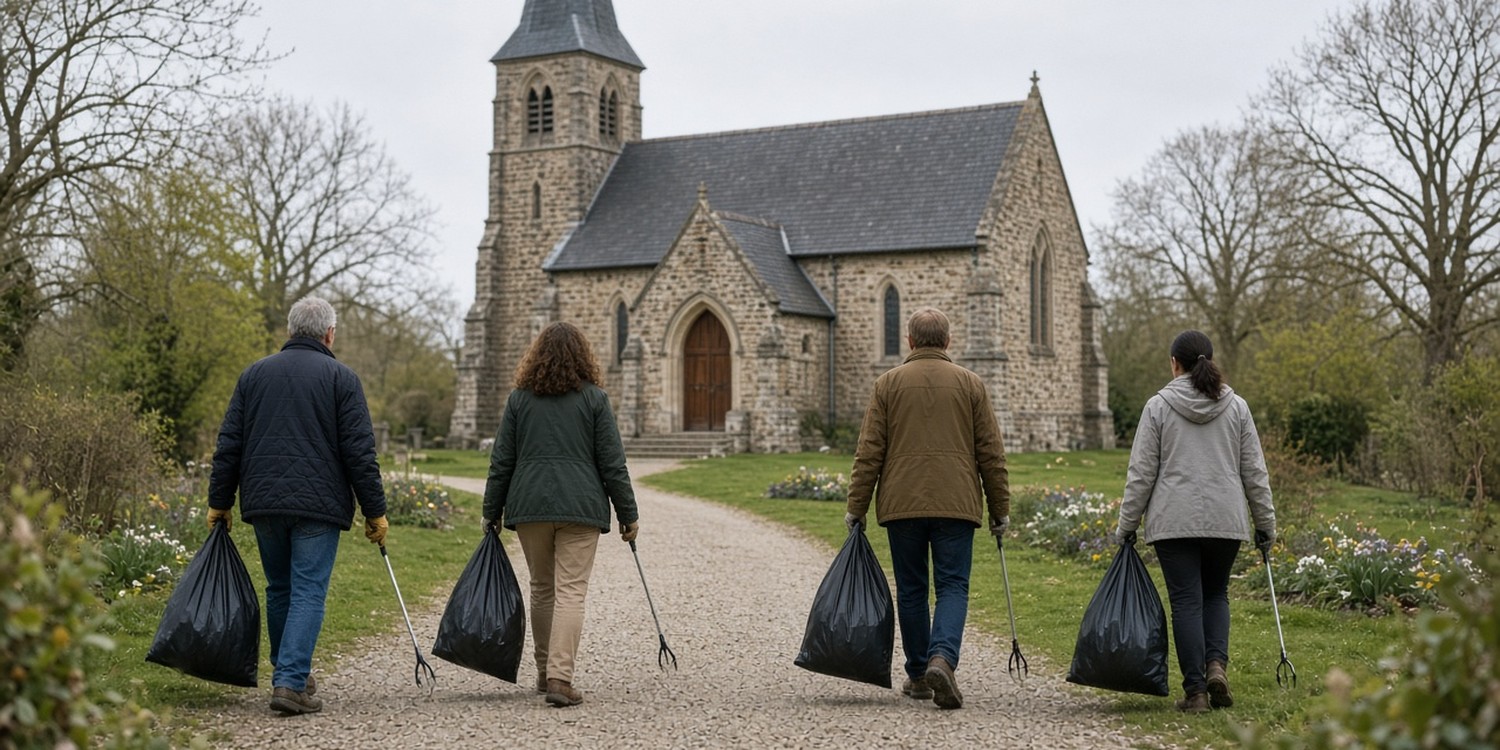
A cleanup is on Saturday. Or a charity pack-out, a food drive, a fundraiser setup. You need around 20 people, and it is already midweek.
You cannot promise that 20 people will answer in 10 minutes. You can set up the call in 10 minutes, so it reaches the right people and makes it easy to say yes. This guide shows how.
Key takeaways
- A specific ask (what, where, when, how long) gets more yes answers than “we need help”.
- People answer people. Start with personal messages to your existing contacts, then widen.
- Recruit more than you need, because some who sign up will not show.
- Give everyone a clear role and send a reminder the day before.
The first 10 minutes: what to do and in what order
Do this before you post anything.
- Minutes 0 to 2: Decide the number you need, the date, the start time, the length and the meeting point.
- Minutes 2 to 5: Write one short message with those details.
- Minutes 5 to 8: Pick two or three channels where your volunteers already are.
- Minutes 8 to 10: Send it. Set a reply deadline.
Everything else in this article makes those four steps work better.
Step 1: Write a specific ask
“We need volunteers” is easy to ignore. A concrete invitation is easy to accept.
Cleanup guides agree on what a good invitation includes:
- The exact location and meeting point
- The start time and how long it will take
- What you provide (bags, gloves, water, tools)
- What people should wear or bring
- The weather plan
Example message: “Saturday, 9:00 to 11:30, we are cleaning the riverside park. Meet at the main gate. We bring bags, gloves and water. Wear closed shoes. Can you join us? Reply Yes or No by Thursday evening.”
This message is short, it has all the details, and it asks for a clear answer.
Step 2: Start with people, then widen
People respond to people. Send the first message directly to those who have helped before: past volunteers, your team leaders and a few friends who like being asked.
Then widen to other channels. Cleanup guides list places like local groups, neighborhood networks, churches, schools, local businesses and social media.
| Channel | Good for | Watch out for |
|---|---|---|
| Direct messages | First yes answers from people who know you | Takes time if you send one by one |
| Existing group chat | Fast reach when the group is active | Replies get buried |
| Church bulletin or announcement | Reaching people who do not use chat | Slower, so use it for next time |
| Local groups and social media | New faces | Responses are less predictable |
Step 3: Make it one step to say yes
Every extra step costs you volunteers. Ask for the answer in the same place you sent the message.
- Reply with Yes or No. Easy to read, easy to count.
- A simple poll in your group chat, with one option per person.
- A short form for details you need later, such as emergency contact, waiver and photo permission. Collect it after the yes, not before.
Do not ask people to register on a new website just to say they will come.
Step 4: Recruit more than you need
Some people will say yes and not show up. That is normal, not a character flaw.
Cleanup guides advise recruiting more volunteers than you need. If you need 20, aim to collect more than 20 confirmed names. Keep the extra names on a short waiting list so you can fill gaps.
Step 5: Give every volunteer a role
People show up more willingly when they know what they will do. Cleanup guides suggest roles like these:
- Check-in: welcomes people, records names, hands out waivers
- Zone captain: explains the boundary, keeps the group together, reports hazards
- Supply lead: carries bags, gloves, water and first aid
- Photo lead: takes photos, with permission from participants
For a group of around 20, two or three zones with one captain each is easier to manage than one big crowd.
Step 6: Send a reminder
Send two:
- A few days before: event details, parking, check-in point and what to bring.
- The day before: meeting point, start time, expected length, weather plan and what you supply.
Include a thank-you. People who feel noticed come back.
A simple structure for the day
One cleanup guide suggests this split for a 2-hour event.
- 15 minutes: sign-in and safety talk
- 75 minutes: pickup in assigned zones
- 30 minutes: sorting, closing and a group photo
Adapt it to your own event. The point is that people know when it starts and when it ends.
Checklist before you press send
- Number needed, date, start time and length
- Meeting point with a map link
- What you provide and what to bring
- Reply deadline
- Two or three channels chosen
- A form or note ready for waivers and emergency contacts
- Someone ready to check people in
Where Planify fits
If you run several calls a year, writing the message, counting the replies and chasing the rest becomes a job.
Planify has an event type for exactly this: an Open Call. You set the number of spots and choose who to invite. Each person gets the invitation on WhatsApp and replies with one tap, with no app to install. Spots fill in the order people reply. Once the call is full, anyone who answers later gets a message that it is closed. You see the responses on one screen.
For the wider routine, read how to organize Sunday volunteer teams without chat chaos.
FAQ
How many volunteers should I recruit if I need 20?
More than 20. Guides advise over-recruiting because some people who sign up do not come. Keep a short waiting list for gaps.
Should I use a sign-up form or just ask for replies?
For a short-notice call, ask for a reply first. Collect waivers and emergency contacts with a short form after someone says yes.
What is the fastest way to confirm who is coming?
Ask for a one-word reply or use a single-vote poll, and set a reply deadline. Then count the answers once, not as they trickle in.